
SOURDOUGH
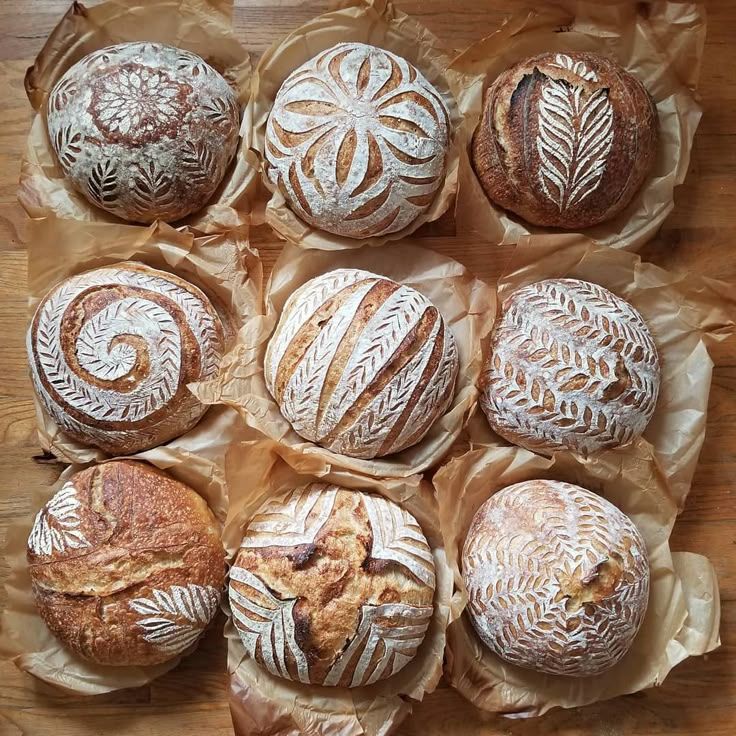
Sourdough is a type of bread made through a natural fermentation process using wild yeast and lactic acid bacteria. It is classified as a product of conventional biotechnology because it relies on microorganisms to transform raw ingredients without using modern genetic modification techniques. Unlike bread made with commercial yeast, sourdough uses a “starter,” which is a fermented mixture of flour and water. This starter contains naturally occurring microbes that cause the dough to rise. Sourdough has been made for thousands of years and is one of the oldest forms of leavened bread. Today, it is popular not only for its unique flavor but also for its health benefits.
Sourdough has a chewy texture, a slightly sour taste, and a thick, crispy crust. The fermentation process breaks down gluten and phytates, making the bread easier to digest and increasing mineral absorption. The wild yeast in the starter produces carbon dioxide, which creates air pockets that give the bread its soft and open crumb. Lactic acid bacteria also produce organic acids, which give sourdough its tangy flavor and help preserve the bread naturally. Making sourdough requires patience, as the fermentation process can take several days. However, the result is a flavorful, nutritious bread that can stay fresh longer than commercial bread.